

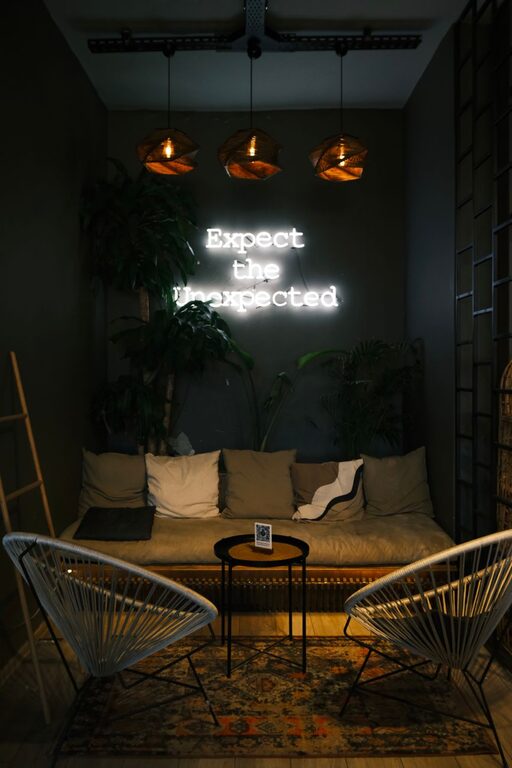
Good home lighting does more than brighten a room. It helps define the mood, supports everyday activities, and makes a space feel inviting. The most comfortable homes usually combine several types of lighting instead of relying on one bright ceiling fixture.
When choosing lighting, consider how each room is used, where light is needed, and how the fixtures will work with your furniture and decor. With a few thoughtful choices, you can create rooms that feel warm, practical, and easy to enjoy.
Start With the Three Main Types of Lighting
A comfortable lighting plan usually includes three layers: ambient, task, and accent lighting. Each layer serves a different purpose, and combining them creates a more balanced room.
Ambient lighting
Ambient lighting provides general illumination. It is the main layer that allows people to move around and see the room comfortably. Common examples include:
– Ceiling fixtures
– Recessed lights
– Chandeliers
– Flush-mount lights
– Wall-mounted fixtures
– Large floor lamps
Ambient lighting should make the room feel bright enough without creating harsh glare. If a single ceiling light makes the room look flat or overly bright, add lamps or wall lights to spread the illumination more evenly.
Task lighting
Task lighting focuses on specific activities. It is useful for reading, cooking, working, grooming, or completing detailed projects. Examples include:
– Desk lamps
– Under-cabinet kitchen lights
– Reading lamps
– Vanity lights
– Adjustable floor lamps
– Pendant lights above a kitchen island
Task lighting should be placed close enough to the activity to be useful but not so close that it creates shadows or glare. An adjustable fixture is often a practical choice because it can be directed where needed.
Accent lighting
Accent lighting highlights features and adds visual interest. It can draw attention to artwork, shelves, plants, architectural details, or textured walls. Examples include:
– Picture lights
– Small spotlights
– Display cabinet lights
– Wall sconces
– LED strips
Accent lighting is not essential for basic visibility, but it helps a room feel more layered and thoughtfully designed.
Choose the Right Light Color
Light color has a major effect on how comfortable a room feels. Bulbs are commonly described by their color temperature, measured in Kelvin. Lower numbers produce warmer, more golden light, while higher numbers create cooler, whiter light.
For many homes, these general ranges work well:
– Warm white, around 2700K: Comfortable for living rooms, bedrooms, and dining areas
– Soft white, around 3000K: A balanced choice for hallways, kitchens, and bathrooms
– Cooler white, around 3500K to 4000K: Useful for work areas where a crisp appearance is preferred
Warm light often creates a relaxed atmosphere, making it a popular choice for rooms used in the evening. Cooler light can feel more energetic and focused, but it may seem too stark in spaces intended for rest.
Try to keep the light color consistent within a room. Using bulbs with noticeably different tones can make the space feel uneven. In open-plan areas, choose a color temperature that works across the connected zones.
Consider Brightness, Not Just Fixture Size
A large fixture is not always brighter, and a small fixture is not always too dim. The brightness of a bulb is measured in lumens, so check the package rather than judging by the fixture’s appearance.
The amount of brightness you need depends on:
– Room size
– Ceiling height
– Wall and floor colors
– Available natural light
– Room purpose
– Number of fixtures
Dark walls and furniture absorb more light, while pale surfaces reflect it. A room with limited windows may need more layers of artificial lighting than a bright, sun-filled space.
Instead of using one very powerful bulb, consider using several moderate sources. Multiple lamps can provide more even coverage and give you greater control over the room’s mood.
Reduce Glare and Harsh Shadows
Glare can make even a stylish light uncomfortable. It often occurs when a bare bulb is visible, a fixture shines directly into the eyes, or light reflects from glossy surfaces.
To reduce glare:
– Choose fixtures with shades or diffusers
– Avoid placing bright lights directly at eye level
– Use frosted or covered bulbs where appropriate
– Position desk and reading lamps slightly to the side
– Aim adjustable lights at walls or surfaces instead of directly across the room
– Check how light reflects from mirrors, glass, screens, and polished countertops
Shadows can also affect comfort. In work areas, place the light so your hand or body does not block the beam. For example, right-handed users may prefer a desk lamp on the left side, while left-handed users may find the opposite position more helpful.
Match Fixtures to Each Room
Every room has different lighting needs. A fixture that works well in a bedroom may not be suitable for a kitchen or entryway.
Living room
Use several lower-intensity sources instead of one central light. Combine a floor lamp, table lamps, and soft ceiling or wall lighting. A reading corner may benefit from an adjustable lamp, while accent lighting can highlight artwork or shelving.
Bedroom
Choose warm, relaxing light. Bedside lamps should be easy to reach and tall enough to illuminate a book without shining directly into your eyes. Wall-mounted reading lights can save space on small nightstands.
Kitchen
Prioritize clear task lighting. Under-cabinet fixtures can brighten countertops and reduce shadows caused by overhead lights. Pendant fixtures can provide useful illumination above an island while also defining the room’s style.
Bathroom
Use even lighting around the mirror to reduce shadows on the face. Fixtures placed on both sides of the mirror are often more effective than a single light above it. Make sure fixtures are suitable for the room’s moisture levels.
Entryway and hallway
These areas need safe, welcoming illumination. A ceiling fixture, wall sconces, or a small console lamp can make an entryway feel more inviting. In hallways, evenly spaced fixtures help prevent dark areas.
Use Dimmers and Smart Controls
Dimmers make lighting more flexible. Bright light may be useful while cleaning, while softer light can create a calmer atmosphere during dinner or relaxation. If you are installing a dimmer, make sure the bulbs and fixtures are compatible with it.
Smart controls can offer additional convenience, including:
– Scheduling lights to turn on or off
– Adjusting brightness from a phone
– Creating room-specific settings
– Controlling several fixtures together
– Using voice commands
You do not need smart lighting throughout the entire home. Adding it to frequently used rooms, such as the living room or kitchen, may provide the most value and convenience.
Think About Energy Use and Maintenance
LED bulbs are a practical choice for many homes because they use less energy and generally last longer than traditional bulbs. They are available in a wide range of shapes, brightness levels, and color temperatures.
When comparing bulbs, check:
– Lumens for brightness
– Color temperature for the appearance of the light
– Wattage for energy use
– Compatibility with dimmers
– Bulb shape and base size
– Expected lifespan
Also consider how easy fixtures are to clean and replace. Lights placed in high ceilings may require extra effort to maintain, while open shades may collect dust more quickly.
Test Lighting Before Making a Final Choice
Lighting can look different in a store, online photo, or display room than it does at home. If possible, test bulbs in the actual space before buying several. Observe the light during the day and evening, and check it from different parts of the room.
Ask yourself:
– Does the room feel comfortable rather than overly bright?
– Are work surfaces clearly illuminated?
– Are there distracting reflections?
– Do the colors of walls and furnishings look natural?
– Can the lighting be adjusted for different activities?
Comfortable home lighting is usually the result of balance. Combine different layers, choose suitable color temperatures, control glare, and adjust brightness to match the way each room is used. The best lighting plan is one that supports daily life while making your home feel warm and welcoming.