

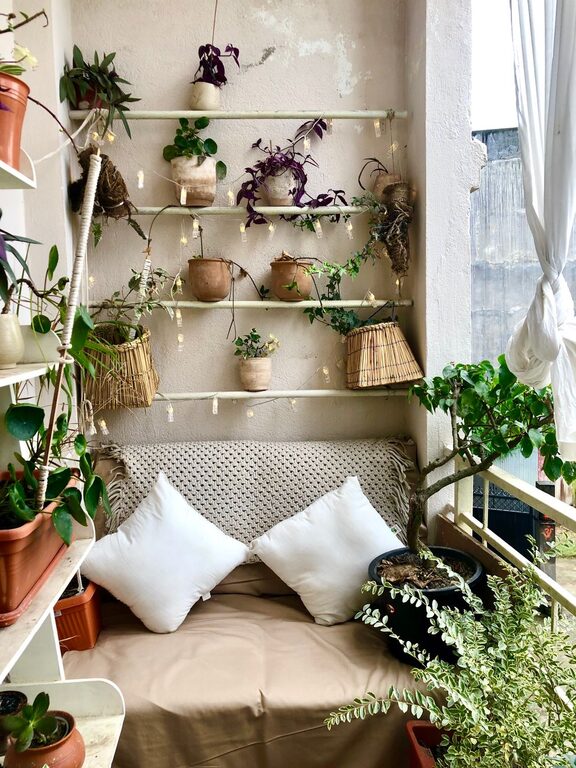
A small balcony can become one of the most enjoyable areas of your home. Even with limited floor space, a few thoughtful choices can create a comfortable spot for morning coffee, reading, dining, or relaxing at the end of the day.
The key is to focus on comfort, function, and atmosphere. Instead of trying to fill the balcony with many items, choose a few pieces that serve a purpose and make the space feel inviting.
Start With a Simple Plan
Before buying furniture or accessories, measure your balcony and think about how you want to use it. A balcony used for quiet reading will need different items than one used for outdoor meals or growing herbs.
Consider these questions:
– How much floor space is available?
– Does the balcony receive morning, afternoon, or evening sun?
– Is the area exposed to wind or rain?
– Do you need seating for one person or several?
– Will you need storage for cushions and outdoor supplies?
Make a quick sketch or use the balcony measurements to plan where each item will go. Leave enough room to walk safely and open any doors without difficulty.
A simple plan also helps prevent overcrowding. In a small space, every item should either provide comfort, improve the look, or serve a practical purpose.
Choose Space Saving Furniture
Furniture has the greatest effect on how spacious or crowded a balcony feels. Look for pieces that are lightweight, compact, and easy to move.
Try Foldable Seating
Folding chairs and tables are useful because they can be stored when you need more room. They are especially helpful for balconies that serve more than one purpose.
A small folding bistro table can provide space for coffee, snacks, or a laptop. When you are not using it, fold it against the wall or store it indoors.
Use a Bench
A narrow bench can seat two people without taking up as much space as separate chairs. Choose one with a slim design, then add cushions for extra comfort.
A bench with hidden storage is even more useful. It can hold blankets, gardening tools, or outdoor games while providing a comfortable place to sit.
Consider a Floor Cushion
If your balcony has a clean, protected floor, large outdoor floor cushions can create a relaxed lounging area. They are easy to move and can be stacked when not in use.
Choose cushions made for outdoor conditions, or store them inside after use to keep them fresh and dry.
Add Soft Textiles
Textiles are one of the easiest ways to make a balcony feel warm and comfortable. They add color, texture, and softness without requiring much space.
Start with an outdoor rug to define the seating area. A rug can make the balcony feel more like an outdoor room and can also make hard flooring more pleasant underfoot. Select a rug made from a weather-resistant material and choose a size that leaves a small border around the edges.
Next, add a few cushions in colors that work well together. You do not need many. Two or three cushions in different textures can make a chair or bench feel much more inviting.
A lightweight outdoor throw is useful on cool evenings. Store it in a basket or indoor cabinet when it is not in use. If your balcony is exposed to weather, choose washable materials and avoid leaving fabric outside for long periods.
Use Lighting to Create Atmosphere
Good lighting can make a small balcony feel cozy after sunset. It also allows you to use the space later in the day.
String lights are a popular choice because they provide a gentle glow without taking up floor space. Attach them along a railing, wall, or overhead frame using outdoor-safe clips.
Lanterns and battery-powered lights are also practical. Place one on a table or on the floor in a stable location. If you use candles, choose enclosed lanterns and keep them away from curtains, plants, and other flammable materials.
For a calm, comfortable look, select warm white bulbs rather than bright, cool-toned lighting. Several small light sources usually feel more welcoming than one strong overhead light.
Bring in Plants
Plants can add life and privacy to a balcony without using much floor space. Choose varieties that suit the amount of sunlight and wind your balcony receives.
Use vertical space whenever possible:
– Hang planters from a secure railing system.
– Install wall-mounted plant holders.
– Place a narrow plant stand in a corner.
– Use a trellis for climbing plants.
– Hang small pots from an approved ceiling hook.
Herbs such as basil, mint, rosemary, and thyme can be useful and attractive. Flowering plants add color, while leafy plants can create a peaceful green backdrop.
Avoid placing too many heavy planters on a balcony railing or in one location. Use stable containers and check that hanging planters are securely attached. Choose pots with drainage holes, and use saucers to help protect the floor from excess water.
Create a Sense of Privacy
A small balcony can feel more comfortable when it has some separation from nearby windows or outdoor areas. Privacy does not have to mean blocking the entire view.
Outdoor curtains can soften the space and provide shade. Choose lightweight fabric that can be tied back when you want more airflow. A bamboo screen or woven panel can also add privacy while introducing natural texture.
Tall plants are another option. Place them along the side where you want more coverage, but avoid blocking ventilation or creating a hazard in windy conditions.
A folding privacy screen is useful if you want a flexible solution. It can be moved or stored as needed, making it a good choice for renters or people who frequently change their balcony layout.
Choose a Comfortable Color Palette
A coordinated color palette can make a small balcony appear more organized. Start with one main color, then add two or three supporting shades.
Natural colors such as cream, tan, green, and soft gray create a calm feeling. Blue, terracotta, or yellow can add energy without overwhelming the space.
You can repeat colors through cushions, planters, rugs, and small accessories. Matching every item is not necessary, but a few repeated shades will help the balcony feel thoughtfully designed.
If the balcony has plain walls or flooring, use textiles and plants to add visual interest. If it already has bold colors, keep the furniture and accessories simple.
Include Small, Useful Details
The finishing touches should make the balcony easier and more pleasant to use. A small tray can keep drinks and books organized. A wall hook can hold a lantern, gardening tools, or a lightweight blanket.
Consider adding:
– A compact side table
– A weather-resistant storage basket
– A small outdoor clock
– A plant watering can
– A cushion box
– A serving tray
– A decorative but sturdy bowl for keys or sunglasses
Avoid adding items simply because they look attractive if they make the balcony harder to use. In a small space, useful decoration is often the best choice.
Keep the Space Tidy
A cozy balcony should feel comfortable, not cluttered. Set aside a few minutes each week to sweep the floor, water plants, and return loose items to their storage area.
At the end of the season, clean and store cushions, rugs, and decorative pieces according to the manufacturer’s instructions. Check furniture for rust, loose screws, or signs of weather damage.
A simple rule can help: whenever you bring in something new, consider whether another item can be removed or stored. This keeps the balcony open and easy to enjoy.
Make It Personal
Finally, add one or two details that reflect your style. This could be a favorite color, a handmade planter, a small piece of outdoor art, or a comfortable chair that you enjoy using.
The goal is not to create a perfect display. It is to make a small area feel like a natural extension of your home. With flexible furniture, soft lighting, a few plants, and carefully chosen accessories, even the smallest balcony can become a welcoming retreat.