

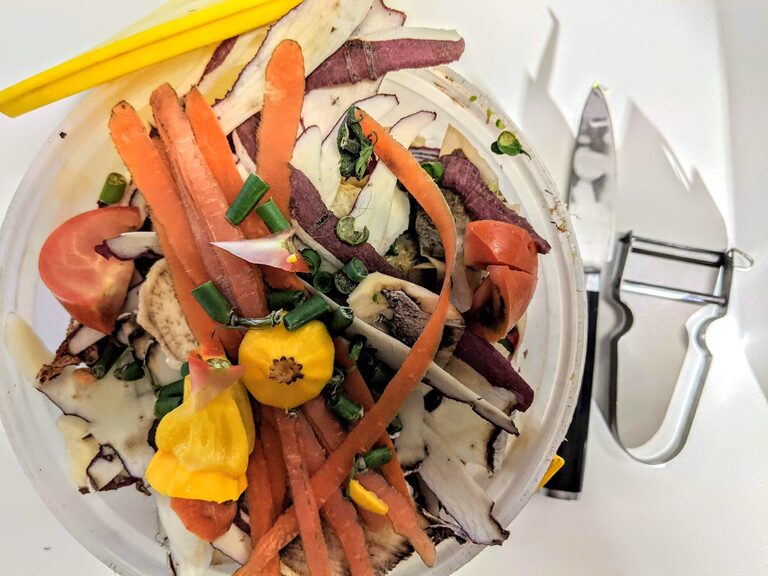
Composting at home is a simple way to turn everyday food scraps and yard waste into a useful soil amendment. Instead of sending organic materials to the landfill, you can recycle them into compost that helps gardens, flower beds, and houseplants grow.
You do not need a large yard or expensive equipment to begin. With the right container, a balanced mix of materials, and a little patience, most beginners can create compost successfully.
What Is Composting?
Composting is the natural process of breaking down organic materials into a dark, crumbly material called compost. Tiny organisms, including bacteria and fungi, feed on items such as leaves, fruit scraps, and grass clippings. Over time, these materials decompose and become a nutrient-rich addition to soil.
Good compost can:
– Improve soil structure
– Help soil hold moisture
– Support healthy plant growth
– Reduce the amount of household waste
– Lower the need for packaged soil amendments
Composting works best when the pile has a balance of carbon-rich and nitrogen-rich materials, along with air and moisture.
Choose the Right Composting Method
Before collecting scraps, decide which composting method fits your home and available space.
Outdoor Compost Bin
An outdoor bin is a practical choice if you have a yard. You can purchase a commercial bin or create a simple enclosure using wood, wire mesh, or another suitable material.
Place the bin on bare soil if possible. This allows helpful organisms and small decomposers to reach the compost. Choose a location with some shade, since direct sun can dry out the pile. Keep it close enough to your home that adding scraps and turning the pile is convenient.
Tumbler Compost Bin
A compost tumbler is a closed container that can be rotated by hand. Tumblers are usually easy to turn and may help keep pests away. However, they often hold less material than open bins and can dry out quickly.
Indoor Worm Composting
Worm composting, also called vermicomposting, uses special composting worms to process food scraps in a small container. This method works well for apartments, patios, or homes without a yard.
Worm bins require a suitable bedding material, steady moisture, and protection from extreme temperatures. They are best for people who want to compost mostly kitchen scraps in a compact space.
Learn What to Compost
A successful compost pile usually contains a mixture of “green” and “brown” materials.
Green Materials
Green materials are generally moist and rich in nitrogen. They help feed the organisms that break down the pile.
Common examples include:
– Fruit and vegetable scraps
– Coffee grounds and paper filters
– Fresh grass clippings
– Fresh leaves and plant trimmings
– Crushed eggshells
– Plain, uncooked grains
Brown Materials
Brown materials are usually dry and rich in carbon. They provide structure and help air move through the pile.
Examples include:
– Dry leaves
– Small twigs
– Shredded plain paper
– Plain cardboard
– Paper towels without chemicals or cleaning products
– Untreated wood chips
– Straw
A simple beginner approach is to add roughly two or three parts brown materials for every one part green material by volume. You do not need to measure precisely. If the pile is wet or smells unpleasant, add more browns. If it is dry and barely changing, add more greens and a little water.
Avoid Problem Materials
Not everything organic belongs in a home compost pile. Avoid adding materials that can attract pests, create strong odors, or introduce harmful substances.
Do not add:
– Meat, fish, or bones
– Dairy products
– Oils, grease, or greasy foods
– Pet waste
– Diseased plants
– Weeds with mature seeds
– Coal or charcoal ash
– Glossy paper
– Plastic-coated materials
– Plants treated with long-lasting chemicals
Some community composting programs accept items that should not go into a basic backyard bin. Check local guidelines before adding unusual materials.
Build Your Compost Pile
Start with a layer of coarse brown material, such as small twigs or dry leaves. This helps air enter from the bottom. Add a layer of green material, followed by another layer of brown material.
Continue adding materials as they become available. Cover fresh food scraps with a layer of leaves, shredded paper, or finished compost. This helps reduce odors and discourages flies.
Cut large scraps into smaller pieces when possible. Smaller pieces have more surface area, so they break down faster. Chopping thick vegetable stems, tearing cardboard, and crushing eggshells can all help.
Keep the Pile Moist but Not Soaked
Your compost should feel about as damp as a wrung-out sponge. If you squeeze a handful, it should feel moist but should not release a stream of water.
Add water slowly if the pile is too dry. Mix in dry leaves or shredded cardboard if it is too wet. A lid or cover can help protect the pile from heavy rain while still allowing some airflow.
Too much moisture can push out the air that decomposing organisms need. A pile that is too dry may break down very slowly.
Give the Compost Plenty of Air
Airflow is important because composting organisms need oxygen. Without enough air, the pile may develop a sour smell and decompose slowly.
Turn the compost every one to two weeks using a garden fork or compost aerator. Move material from the outside toward the center as you mix. If turning the entire pile is difficult, stir the top and sides when adding new materials.
Adding dry, coarse items such as small branches or shredded cardboard can also improve airflow.
Solve Common Composting Problems
Bad Odor
A strong smell usually means the pile is too wet or contains too many green materials. Add dry browns and turn the pile to improve airflow. Cover exposed food scraps with leaves or cardboard.
Compost Is Too Dry
A dry pile may contain too many brown materials or may not be receiving enough moisture. Add a small amount of water while mixing. You can also add fresh grass clippings or vegetable scraps.
Compost Is Not Breaking Down
Slow decomposition may result from large pieces, low moisture, cold weather, or poor mixing. Chop materials into smaller pieces, check the moisture level, and turn the pile. Cold-weather composting may simply take longer.
Flies or Pests
Bury fresh food scraps in the center of the pile and cover them with brown material. Avoid meat, dairy, and oily foods. A secure lid or enclosed bin can provide additional protection.
Know When Compost Is Ready
Finished compost is usually dark brown, loose, and crumbly. It should have an earthy smell and contain few recognizable food scraps. Depending on the materials, weather, and how often you turn the pile, compost may take several months to mature.
You can use finished compost by:
– Mixing it into garden soil
– Spreading a thin layer around plants
– Adding it to raised beds
– Blending a small amount into potting soil
– Using it as a light mulch
Avoid putting large amounts of unfinished compost directly around delicate plants, since it may continue breaking down and compete for available nutrients.
Start Small and Keep Going
The easiest way to begin composting is to start with a manageable system. Choose a convenient location, collect a mix of green and brown materials, and pay attention to moisture and airflow. Do not worry if your first batch takes time or needs adjustments.
Composting is a gradual process, and every pile behaves a little differently. With regular attention, kitchen scraps and yard waste can become a valuable resource for healthier soil and a more productive garden.