

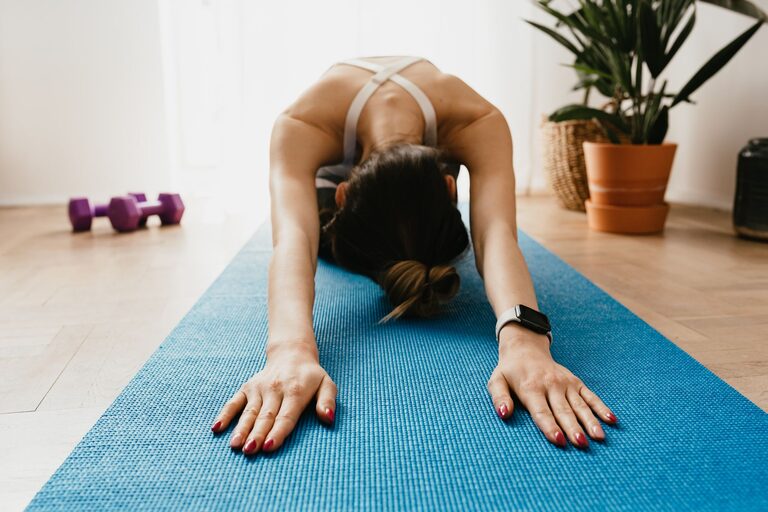
Stretching is a simple way to move more comfortably, support flexibility, and add variety to your daily routine. You do not need special equipment or a large space to get started. A few minutes at home can help you become more aware of your body and make movement feel easier.
If you are new to stretching, the most important goals are consistency and comfort. You do not need to force a deep stretch or copy advanced poses. Instead, focus on steady breathing, controlled movements, and gradual progress.
What Is Stretching?
Stretching involves gently lengthening your muscles through movement or by holding a position. Some stretches are active, meaning you move through a comfortable range of motion. Others are held still for a short period.
Common types include:
– Dynamic stretching: Gentle, repeated movements that prepare your body for activity.
– Static stretching: Holding a comfortable position for a set amount of time.
– Active stretching: Using your own muscles to hold a position without outside help.
– Relaxed stretching: Allowing a muscle to lengthen while you remain still and breathe calmly.
For most beginners, a mix of gentle dynamic movements and relaxed static stretches works well.
Benefits of Stretching at Home
A regular stretching habit can support your everyday movement in several ways. It may help you:
– Move your joints through a more comfortable range
– Reduce feelings of stiffness after sitting
– Improve body awareness
– Prepare for light exercise
– Wind down after a busy day
– Add a calming activity to your routine
Stretching is not a replacement for strength or cardio exercise, but it can complement both. It is also a useful option on days when you want light movement without a demanding workout.
How to Prepare for a Stretching Session
You can stretch almost anywhere, but a few simple preparations can make the experience more comfortable.
Choose a clear area where you can move your arms and legs without bumping into furniture. A yoga mat, carpet, or folded towel can provide extra comfort, although no equipment is required.
Wear clothing that lets you move freely. You may want to play quiet music, set a timer, or keep a glass of water nearby. Most importantly, avoid stretching cold muscles with intense, long-held positions.
Start With a Warm-Up
Spend three to five minutes warming up before static stretching. Try easy movements such as:
– Walking around the room
– Marching in place
– Rolling your shoulders
– Swinging your arms gently
– Moving your ankles in circles
– Performing slow knee lifts
The goal is not to become tired. You are simply helping your body transition from stillness to movement.
Basic Stretches for Beginners
The following stretches are easy to perform at home. Move slowly and stay within a comfortable range.
Neck and Shoulder Stretch
Sit or stand tall with your shoulders relaxed. Slowly tilt your right ear toward your right shoulder without lifting the shoulder. Hold for about 15 to 20 seconds, then switch sides.
Next, gently turn your head to look over one shoulder, return to the center, and repeat on the other side. Keep the movements small and controlled. Do not pull on your head.
Shoulder and Upper Back Stretch
Reach one arm across your chest. Use your opposite hand to support the arm just above the elbow and draw it slightly closer to your body. Hold for 15 to 20 seconds, then change sides.
For an upper-back stretch, reach both arms forward and lightly round your upper back as if you are hugging a large ball. Keep your neck relaxed and breathe slowly.
Chest Stretch
Stand near a doorway. Place your forearms or hands on the door frame, then take a small step forward until you feel a gentle stretch across your chest and the front of your shoulders.
Keep your ribs comfortable and avoid leaning too far. Hold for 15 to 30 seconds, then step back slowly.
Standing Side Stretch
Stand with your feet about hip-width apart. Raise your right arm overhead and gently lean to the left. Keep both feet grounded and avoid twisting your body.
You should feel a stretch along your right side. Return to the center and repeat on the opposite side.
Hamstring Stretch
Sit on the edge of a sturdy chair with one leg extended and the heel resting on the floor. Keep your back comfortably straight and lean forward slightly from your hips until you feel a gentle stretch along the back of your thigh.
Do not round your back to reach your toes. Hold for 15 to 30 seconds, then switch legs.
Quadriceps Stretch
Stand near a wall or chair for balance. Bend one knee and bring your heel toward your seat. Hold your ankle or pant leg if you can do so comfortably.
Keep your knees close together and your body upright. Hold briefly, then lower your foot and repeat on the other side. If reaching your foot is difficult, skip this stretch or use a towel for gentle assistance.
Calf Stretch
Place your hands on a wall. Step one foot back and press that heel toward the floor while keeping the back leg mostly straight. Bend the front knee slightly and lean toward the wall.
Keep your back foot pointing forward. Hold for 15 to 30 seconds, then switch sides.
Hip Stretch
Lie on your back with both knees bent. Bring one knee gently toward your chest while keeping your other foot on the floor. Hold for 15 to 20 seconds, then change sides.
Keep your shoulders relaxed and avoid pulling the knee forcefully. This is a simple way to include the hips without needing a complicated position.
A Simple 10-Minute Routine
Try this short routine once a day or several times a week:
- March in place for two minutes.
- Roll your shoulders and move your arms for one minute.
- Perform the chest stretch on both sides.
- Hold the standing side stretch on both sides.
- Stretch each hamstring for 20 seconds.
- Stretch each quadriceps for 20 seconds.
- Hold the calf stretch on both sides.
- Finish with slow breathing for one minute.
Move from one exercise to the next without rushing. If a stretch feels uncomfortable, shorten the hold or choose a gentler movement.
Common Stretching Mistakes
Beginners often make progress more easily by avoiding a few common errors.
– Bouncing: Repeatedly bouncing in a stretch can make it harder to control your movement.
– Holding your breath: Calm breathing helps you stay relaxed and aware.
– Forcing a deep position: More intensity does not always mean better results.
– Ignoring alignment: Keep your feet, knees, and spine in comfortable positions.
– Stretching through pain: A mild pulling sensation is generally enough. Sharp, sudden, or worsening pain is a reason to stop.
– Being inconsistent: Five minutes several times a week is more useful than one very long session every few weeks.
How to Build a Lasting Habit
Attach stretching to something you already do, such as getting ready for work, taking a break from your computer, or winding down before bed. Start with a routine that feels easy to repeat.
You can also keep a simple record of your sessions. Note how long you stretched and how your body felt afterward. Avoid judging your progress by how far you can reach. Instead, notice whether everyday movements feel smoother and more comfortable.
With regular practice, patience, and good control, stretching can become a practical part of your home wellness routine. Keep the movements gentle, breathe steadily, and let improvement happen gradually.