

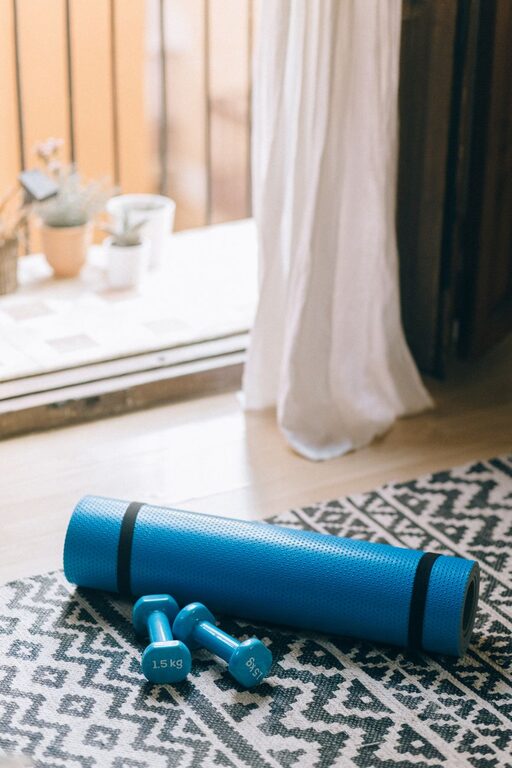
A dedicated workout corner can make exercise easier to start and simpler to maintain. You do not need a large room, expensive machines, or a complete home gym. With a small amount of planning, an open area, and a few versatile pieces of equipment, you can create a space that supports a wide range of workouts.
The goal is to build a corner that feels comfortable, safe, and easy to use. Whether you have a spare room, part of a bedroom, or a section of a living room, these steps can help you create a practical home workout area.
Choose the Right Location
Start by looking for a space that is easy to access and has enough room for basic movement. A workout corner should allow you to stand, stretch, bend, and move your arms without hitting nearby furniture.
Good options may include:
– A corner of a bedroom
– Part of a home office
– An open area in a basement
– A section of a living room
– A covered porch with a suitable floor
– A clear area near a hallway or staircase
Choose a location that you are likely to use regularly. A convenient space is often better than a larger area that requires extra effort to reach or prepare.
Measure Before You Set Up
Use a measuring tape to check the available floor space. Write down the length and width, then compare those measurements with the equipment you plan to use.
For a basic workout corner, try to leave enough space for:
– A mat placed flat on the floor
– Full arm movement
– Standing exercises
– Simple floor exercises
– Safe movement around equipment
Also check the ceiling height, especially if you plan to do overhead exercises or use resistance bands. Keep furniture, lamps, shelves, and other objects out of the movement area.
Prepare the Floor
The floor is one of the most important parts of a home workout corner. A firm, level surface can make movement more comfortable and help protect your flooring.
A workout mat is a useful starting point. It provides cushioning for floor exercises and creates a clear boundary for your workout space. Look for a mat that is large enough for your body when lying down, with extra room around the edges if possible.
Consider these floor options:
– Exercise mats for general workouts
– Interlocking foam tiles for extra cushioning
– Rubber flooring for areas used with weights
– A firm carpeted surface for low-impact exercises
Avoid placing a mat on a slippery surface. If the mat moves during use, add a non-slip layer underneath or choose a design with a textured bottom. Keep the floor clean and dry to reduce the chance of slipping.
Start With Versatile Equipment
You can build an effective workout corner without buying many items. Begin with equipment that supports several types of exercise and is simple to store.
Useful starter items include:
– Exercise mat
– Resistance bands
– Light dumbbells
– Adjustable dumbbells
– Kettlebell
– Stability ball
– Jump rope
– Small step platform
– Foam roller
Resistance bands are especially useful because they are light, affordable, and easy to store. They can support exercises for the arms, shoulders, legs, and back. Dumbbells are also versatile and can be used for movements such as squats, rows, presses, and lunges.
Choose only a few items at first. Using your current equipment regularly is more valuable than collecting items that remain unused.
Select Equipment for Your Routine
Think about the exercises you enjoy and the type of workouts you want to do. If you prefer bodyweight workouts, a mat and resistance bands may be enough. If you enjoy strength exercises, consider adding dumbbells or a kettlebell. If you like cardio, a jump rope or small step platform may be useful.
Choose equipment that matches your available space. Large machines can take up most of a small room, while smaller tools can support many exercises and be stored after use.
Plan Simple Storage
Good storage keeps the workout corner neat and makes it easier to begin exercising. If equipment is scattered around the room, the space may quickly feel crowded.
Try these storage ideas:
– Use a basket for resistance bands and jump ropes
– Place dumbbells on a small, sturdy shelf
– Store a rolled mat in a corner
– Use wall hooks for bands or towels
– Keep a storage bench for smaller items
– Add labeled containers for accessories
– Use the space under a desk or table when appropriate
Make sure shelves and hooks are securely attached and can support the weight of the equipment. Store heavier items on lower shelves to make them easier to lift and reduce the chance of falling objects.
A simple rule can help maintain order: return each item to its storage place after every workout. This takes only a few minutes and keeps the area ready for the next session.
Improve Lighting and Airflow
A bright, well-ventilated space can feel more comfortable and inviting. If possible, place your workout corner near a window for natural light. If the area is darker, add a lamp that provides clear, even lighting.
Good airflow is also helpful. Open a window when appropriate, use a fan, or choose a location with regular air circulation. Avoid placing the workout area directly beside fragile decorations, electronics, or objects that could be damaged by movement.
You may also want to keep a water bottle and a small towel nearby. These simple additions make the space more convenient without adding much clutter.
Add Motivation Without Creating Clutter
Your workout corner should encourage regular use, but it does not need to be heavily decorated. A few thoughtful additions can make the space feel personal.
Consider adding:
– A small wall calendar
– A simple workout checklist
– A clock or timer
– A mirror for checking form
– A plant in a stable container
– A speaker for music or guided workouts
If you use a mirror, place it where it will not create a distraction or become a safety concern. Keep decorations limited so the area remains focused and easy to clean.
Create a Simple Workout Plan
A workout corner is most useful when you have a clear plan for using it. Decide how many days per week you want to exercise and choose a realistic schedule.
A basic session might include:
- Five minutes of gentle warm-up movements
- Several strength or bodyweight exercises
- A short period of light cardio
- Easy stretching and cool-down movements
You can also assign different goals to different days. For example, one day may focus on lower-body exercises, another on upper-body movements, and another on mobility or light cardio.
Keep your first routine simple. A short workout that you complete consistently is a strong foundation. As you become more comfortable, you can gradually adjust the duration, number of exercises, or equipment used.
Keep Safety in Mind
Before each workout, check that the floor is clear and all equipment is in good condition. Inspect resistance bands for cracks, check that dumbbell handles are secure, and make sure your mat lies flat.
Keep walkways clear and avoid exercising too close to sharp corners, glass objects, or unstable furniture. Use equipment according to its instructions, and choose movements that match your experience and comfort level. If an exercise causes pain, stop and reassess the movement or seek guidance from a qualified professional.
Refresh the Space Regularly
Your workout corner may change as your habits develop. After a few weeks, consider what you use most and what takes up unnecessary space. Remove items that do not support your routine and improve storage where needed.
A quick weekly reset can include:
– Wiping down equipment
– Cleaning the floor and mat
– Returning items to their storage spots
– Checking for worn or damaged equipment
– Updating your workout plan
A simple, organized workout corner can support consistent exercise without requiring a major investment. Start with the space you have, choose versatile equipment, and make the area easy to use. The best home workout corner is one that fits your routine and helps you stay active over time.