

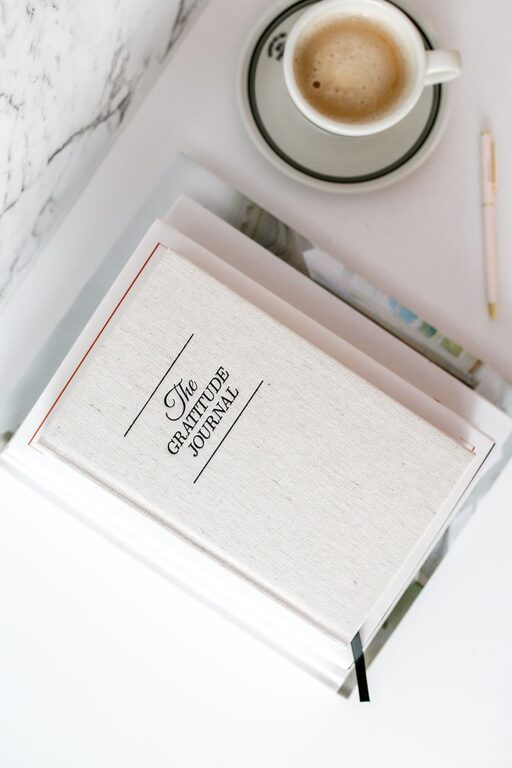
Gratitude journaling is a simple practice of writing down things you appreciate. These entries can focus on major life events, small daily comforts, helpful people, or moments that made you smile. You do not need special writing skills, a perfect notebook, or a large amount of free time to begin.
The most useful gratitude journal is one you can return to regularly. By keeping the process simple and personal, you can create a habit that feels encouraging rather than like another task on your to-do list.
What Is a Gratitude Journal?
A gratitude journal is a notebook, app, or digital document where you record things you are thankful for. Some people write several items each day, while others make an entry once or twice a week.
Your entries might include:
– A kind message from a friend
– A quiet morning
– A favorite meal
– Progress on a personal project
– Time spent outdoors
– A useful lesson from a difficult day
– A comfortable place to rest
– A simple moment of laughter
There is no required format. The goal is to pause and notice what you value, not to create a perfect record of your life.
Choose a Format That Fits Your Routine
Before you begin, decide where you will write. Choose the option that feels easy to access and comfortable to use.
Paper Notebook
A notebook offers a break from screens and gives you a physical place to collect your thoughts. You can choose a basic notebook, a pocket journal, or a planner with space for notes. The design does not matter as much as whether you enjoy using it.
Keep the notebook somewhere visible, such as beside your bed, near your coffee maker, or next to your favorite chair.
Digital Journal
A notes app, document, or journaling app can be convenient if you usually carry your phone or computer. Digital entries are easy to search, edit, and organize. You can also add photos, voice notes, or reminders if those features help you stay consistent.
If you use a digital format, consider creating one dedicated note or folder for your entries.
Printable Pages
Printable journal pages can provide structure without requiring a long-term commitment. They may include prompts, space for a date, or a short checklist. This format works well if you like writing by hand but prefer guided layouts.
Start With a Small Goal
A common mistake is setting a goal that is too ambitious. Writing a full page every morning may sound appealing, but it can become difficult to maintain during busy weeks.
Instead, begin with a small commitment, such as:
– Writing three things you appreciate
– Spending two minutes on an entry
– Journaling three days per week
– Writing one sentence before bed
– Recording one positive moment at the end of the day
A small goal gives you room to build consistency. You can always write more when you feel inspired, but you do not need to make every entry lengthy.
Pick a Regular Time
A regular time can make journaling easier to remember. Connect it to an activity you already do, such as brushing your teeth, eating breakfast, or turning off the lights at night.
Morning journaling can help you begin the day with a calm point of focus. Evening journaling gives you a chance to review the day and notice moments you may have overlooked.
There is no universally best time. Try one schedule for a week, then adjust it if it does not fit your routine. The best time is the one you can follow most comfortably.
Use Simple Prompts
When you are unsure what to write, a prompt can help you get started. Prompts give your attention a direction without requiring a complicated answer.
Try questions such as:
– What made today a little better?
– Who helped or encouraged me recently?
– What is something I often take for granted?
– What place makes me feel comfortable?
– What small convenience am I glad to have?
– What did I enjoy using, seeing, hearing, or tasting today?
– What personal quality helped me handle a challenge?
– What is something I am looking forward to?
– What did I learn from a recent experience?
– What memory am I happy to have?
You can repeat the same prompt as often as you like. Repetition can make the practice easier and may help you notice new details over time.
Add Details to Make Entries Meaningful
A list of single words can be useful, but adding a little detail can make an entry more memorable. Instead of writing “coffee,” you might write, “I appreciated having a warm cup of coffee while reading in a quiet room.”
A helpful entry often includes three parts:
- **What you appreciate:** Name the person, place, activity, object, or experience.
- **Why it matters:** Explain what made it meaningful or useful.
- **How it affected your day:** Describe the feeling, memory, or difference it created.
For example:
> I am grateful for my neighbor bringing in my package. It saved me a trip outside and reminded me that small acts of kindness can make a busy day easier.
You do not need to use this structure every time. It is simply an option when you want to write more than a short list.
Be Specific and Genuine
A gratitude journal should reflect your actual experience. You do not need to force yourself to feel thankful for something that does not feel meaningful. Honest entries are usually easier to maintain than statements that sound overly general.
Compare these examples:
– “I am grateful for everything.”
– “I am grateful that I took a short walk during my lunch break and noticed the trees changing color.”
The second entry is more specific and gives you a clear moment to remember. Look for details that are real, even if they seem ordinary.
You can also write about progress, support, comfort, creativity, or simple pleasures. Gratitude does not have to be connected to major achievements.
Allow Room for Difficult Days
Gratitude journaling does not mean pretending that every day is easy. You can acknowledge frustration, disappointment, or tiredness while still noting one thing that helped you get through the day.
For example:
> Today felt overwhelming, but I appreciated having a friend who listened without trying to solve everything.
This approach keeps the practice honest. It also allows you to recognize support and small moments of comfort without ignoring the rest of your experience.
If you do not feel like writing a positive entry, keep it neutral. You might record something you noticed, a task you completed, or a place where you were able to pause.
Make the Habit Easy to Continue
Consistency is more important than perfection. Missing a day does not mean you have failed or need to start over. Simply return to the journal when you are ready.
These tips can help:
– Keep your journal in an easy-to-see location.
– Set a gentle reminder on your phone.
– Use the same pen or app each time.
– Write brief entries on busy days.
– Review older entries once a month.
– Avoid judging your writing style.
– Give yourself permission to change the format.
You can also create a flexible rule, such as writing whenever you notice something worth remembering. This allows the practice to fit changing schedules.
Review Your Entries
After a few weeks, read some of your older entries. You may notice recurring themes, such as certain people, activities, places, or routines that add value to your life.
Reviewing your journal can help you identify what you want to make more time for. It can also remind you of positive moments that might otherwise fade from memory.
You do not need to review every entry or create a detailed summary. A quick look through a few pages is enough.
A Simple Seven Day Starting Plan
If you want a clear way to begin, try this one-week plan:
– Day 1: Write three small things you appreciate today.
– Day 2: Describe one person who made a difference.
– Day 3: Record a comfortable or enjoyable moment.
– Day 4: Write about something you learned.
– Day 5: Notice a useful object, service, or routine.
– Day 6: Describe a place or activity that helped you recharge.
– Day 7: Review the week and choose one favorite entry.
After seven days, decide whether you want to continue daily, a few times per week, or whenever the mood strikes.
Final Thoughts
Starting a gratitude journal does not require a major lifestyle change. Choose a format, set a small goal, and write about specific moments that matter to you. Keep the practice flexible, honest, and easy to return to.
Over time, your journal can become a personal collection of meaningful details—from everyday comforts to important memories. The simple act of noticing and recording them can make ordinary days feel more visible and worth remembering.