

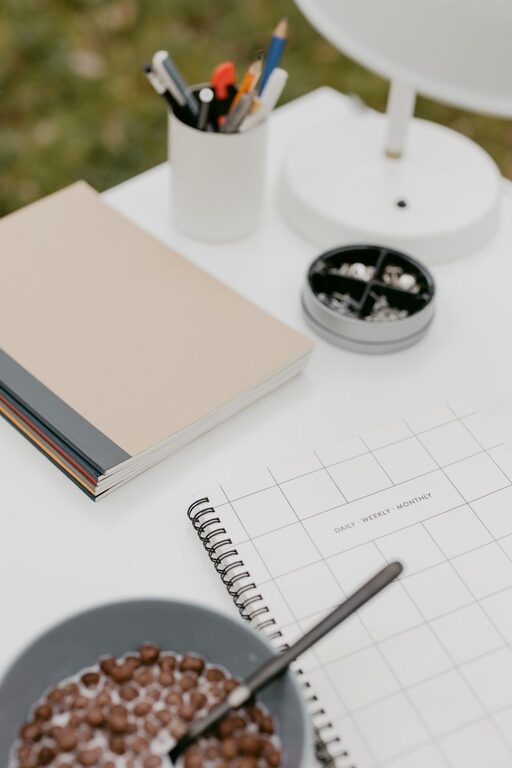
A notebook can be a simple tool for planning, learning, sketching, recording ideas, or keeping track of everyday tasks. Yet many notebooks go unused because they look appealing in the store but do not fit the way their owner works.
The best notebook is not necessarily the most expensive, stylish, or highly rated one. It is the notebook that feels natural to pick up and easy to use regularly. Before choosing one, consider what you want to write, where you will use it, and which features make writing more comfortable.
Start With Its Main Purpose
The right notebook depends largely on what you plan to do with it. A notebook for quick work notes may need different features from one used for long-form writing or drawing.
Ask yourself:
– What will I write in it?
– Where will I use it?
– How often will I carry it?
– Do I need to find old notes quickly?
– Will I use pens, pencils, markers, or a combination?
– Do I need space for drawings, lists, or charts?
Common notebook purposes include:
Daily planning
A planner-style notebook may work well if you want to organize appointments, tasks, priorities, and reminders. Look for layouts with dated pages, weekly spreads, or open sections for flexible planning.
General notes
A ruled or dot grid notebook is a practical choice for meetings, classes, research, and everyday thoughts. It provides enough structure without limiting how you use the page.
Creative work
For drawing, diagramming, or lettering, choose a notebook with blank or dot grid pages. Check that the paper feels smooth enough for your preferred tools.
Journaling
A journal should feel comfortable and inviting. Page size, paper texture, and binding matter because they affect how enjoyable it is to write over time.
One specific project
If you are outlining a book, learning a skill, planning an event, or collecting recipes, choose a notebook with enough pages and a layout suited to that project. A dedicated notebook can keep related ideas together.
Choose a Size That Matches Your Routine
Notebook size affects both portability and writing space. A small notebook is easy to carry, while a larger notebook gives you room to think and organize information.
Small notebooks
Small notebooks fit easily in a pocket, purse, or small bag. They are useful for short lists, quick reminders, and ideas that you want to capture immediately. However, limited space may make longer entries feel cramped.
Medium notebooks
Medium notebooks offer a balance between portability and writing room. They are often a good choice for everyday notes, journaling, and planning. If you are unsure where to start, this size is usually a practical option.
Large notebooks
Large notebooks provide generous space for detailed notes, sketches, project planning, and study materials. They work best when you usually write at a desk or carry a larger bag. Their size may make them less convenient for spontaneous note-taking.
Think about your real routine rather than your ideal routine. If you spend most of your time away from a desk, a notebook that stays at home may not be useful. If you write several pages at a time, a tiny notebook may quickly become frustrating.
Pick a Page Layout You Will Enjoy
The page layout guides how you use the notebook. Choose the format that supports your habits instead of forcing you to work differently.
– Ruled pages: Best for traditional writing, lists, and notes.
– Blank pages: Useful for sketching, free writing, diagrams, and flexible layouts.
– Dot grid pages: A versatile option for writing, tables, charts, and simple drawings.
– Squared pages: Helpful for calculations, graphs, technical notes, and neat layouts.
– Dated pages: Good for scheduled planning and daily records.
– Undated pages: Better if you do not write every day and want to avoid unused dated sections.
If you often switch between writing and drawing, dot grid pages can provide structure without being too noticeable. If you prefer a clean visual appearance, blank pages may feel less distracting.
Pay Attention to Paper Quality
Paper quality affects how enjoyable a notebook feels and how many writing tools you can use. You do not always need premium paper, but it should match your preferred pen or pencil.
Consider these qualities:
– Smoothness: Smooth paper works well for many pens and makes writing feel effortless.
– Texture: Slightly textured paper may be appealing for pencils and certain artistic tools.
– Thickness: Thicker pages are less likely to show writing from the other side.
– Absorbency: Highly absorbent paper may cause some inks to spread or look uneven.
– Color: Bright white, soft white, and cream paper each create a different visual experience.
If possible, test the paper before buying. Write a few lines, turn the page, and check whether the ink shows through. A notebook can look excellent but still be unpleasant to use with your favorite pen.
Consider the Binding
The binding determines how easily a notebook opens and how well it holds up.
Spiral binding
Spiral notebooks often lie flat and provide a comfortable writing surface. They are practical for school, work, and frequent note-taking. The spiral may feel bulky when the notebook is carried or placed beneath another item.
Sewn binding
Sewn notebooks are usually durable and may open more smoothly than glued notebooks. They often have a polished appearance and can work well for journals or long-term projects.
Glued binding
Glued notebooks can be affordable and lightweight. Some open flat, while others may require you to hold the pages down. Check the construction if you expect to write near the inner edge.
Disc or ring binding
These systems allow pages to be moved, replaced, or added. They are useful for people who like to reorganize notes, although the covers and rings may take up more space.
A notebook that does not stay open can become irritating quickly. If you write with both hands occupied or often take notes while standing, a binding that opens flat may be especially valuable.
Look for Features That Support Regular Use
Small details can make a notebook easier to use every day. Useful features may include:
– An elastic closure
– A ribbon page marker
– A back pocket
– Numbered pages
– An index section
– Perforated pages
– A pen loop
– A durable cover
– A protective coating
– A compact design
Do not choose extra features simply because they sound impressive. Each one should solve a real problem. For example, a pocket is useful if you regularly store receipts or loose notes. A numbered page system is helpful if you need to locate information later.
Match the Notebook to Your Writing Tools
Your favorite pen, pencil, or marker should influence your choice. Some notebooks perform best with ballpoint pens, while others are designed for fountain pens, colored pencils, or sketching tools.
If you use several tools, bring them when shopping and test a sample page. Look for smudging, bleeding, feathering, and show-through. You may also want to consider whether the notebook’s cover can handle frequent erasing or heavy pressure.
Choose a Design You Will Want to See
Appearance is not the most important factor, but it can affect whether you reach for the notebook. Choose a cover, color, and texture that you genuinely like. A notebook that feels pleasant and personal is more likely to become part of your routine.
At the same time, avoid buying a notebook that feels too precious to use. If you are worried about making mistakes or filling the pages, you may leave it untouched. The goal is to find something attractive enough to enjoy but practical enough to use freely.
Make the Decision With a Simple Test
Before buying, imagine using the notebook in a real situation. Write a short entry, make a list, or draw a quick diagram. Then ask:
– Does the page give me enough room?
– Does it open comfortably?
– Does the paper work with my preferred tools?
– Is it easy to carry?
– Can I imagine using it next week?
– Does the price feel reasonable for how I plan to use it?
If the answer to most of these questions is yes, you have probably found a suitable option.
Use the Notebook Before Buying Another
Many people collect notebooks while searching for the perfect one. Instead, choose a notebook that meets your main needs and use it consistently for a few weeks. Notice what works and what does not.
You may discover that you need larger pages, a different layout, thicker paper, or a lighter cover. Those observations are more useful than guessing based on appearance alone.
The notebook you will actually use is the one that fits your habits, tools, and environment. Choose for comfort and practicality first, then add the features and design details that make writing something you look forward to.